
Please click the frequently asked questions below for further information and IPC precautions required:
What is Amebiasis (Amoebiasis)?
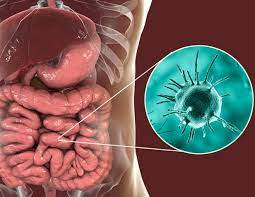
Amebiasis is a disease caused by a one-celled parasite called Entamoeba histolytica.
Why is this information important?
If NIAS staff are aware that the patient has a suspected or confirmed case this should be communicated to the Control Room (Emergency or Non-emergency as appropriate) and the staff in the receiving unit when transferring the patient to ensure effective patient care and management.
How is it spread?
Infection can occur when a person:
- Puts anything into their mouth that has touched the faeces of a person who is infected with E. histolytica.
- Swallows something, such as water or food, that is contaminated with E. histolytica.
- Swallows E. histolytica cysts (eggs) picked up from contaminated surfaces or fingers.
What are the symptoms?
Only about 10% to 20% of people who are infected with E. histolytica become sick from the infection.
The symptoms are often quite mild and can include:
- Diarrhoea
- Stomach pain
- Stomach cramping.
Amebic dysentery is a severe form of amebiasis associated with stomach pain, bloody stools, and fever.
Rarely, E. histolytica invades the liver and forms an abscess (a collection of pus). In a small number of instances, it has been shown to spread to other parts of the body, such as the lungs or brain, but this is very uncommon.
IPC Precautions
- Contact precautions should be used.
- Hand Hygiene should be completed as per the 5 moments in line with usual practice with Soap and Water
- Eye protection should be risk assessed and worn if any risk of splashes.
- Gloves and Aprons should be worn.
- The patient should be transported via ambulance with no other patients present.
- Laundry should be treated as contaminated, placed into an alginate bag and placed into a red laundry bag.
What cleaning is required?
All equipment and the ambulance should have an in-between patient clean paying particular attention to touch points.
Do staff need any prophylaxis or follow up?
If staff have been exposed to a confirmed or suspected case they should remain vigilant for any symptoms but there is no active follow up required.