
Please click the frequently asked questions below for further information and IPC precautions required:
What is Hantavirus?
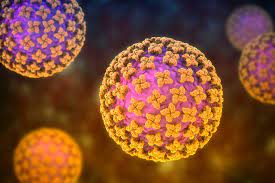
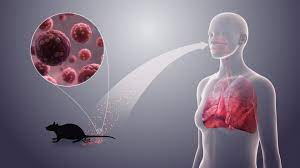
Hantaviruses are rodent-borne viruses causing clinical illness in humans of varying severity. There are several different hantaviruses, with a different geographical distribution and causing different clinical diseases. Each hantavirus is specific to a different rodent host. Transmission of the virus to humans occurs through the inhalation of infected rodent urine, droppings, or saliva.
Three main clinical syndromes can be distinguished after hantavirus infection: haemorrhagic fever with renal syndrome (HFRS), mainly caused by Seoul, Puumala and Dobrava viruses; nephropathia epidemica, a mild form of HFRS caused by Puumala virus; and hantavirus cardiopulmonary syndrome, which may be caused by Andes virus, Sin Nombre virus, and several others. There is no curative treatment for hantavirus infection, and eliminating or minimising contact with rodents is the best way to prevent infection.
How does it spread?
The virus is spread to humans when virus particles in the urine, faeces or saliva of infected rodents become aerosolised and are inhaled.
Hantaviruses do not spread easily between people and there is a very low risk of transmission to the general population. Those most at risk include people who keep pet rodents and people with occupational exposure to rodents i.e. farm workers and pest control workers.
The incubation period is typically 2 to 4 weeks although can range from 2 days to 8 weeks.
What are the symptoms of Hantavirus?
Infection in humans can range from a mild flu-like illness to severe disease. Forms of severe disease include haemorrhagic fever and kidney failure (known as haemorrhagic fever with renal syndrome (HFRS)) as seen in Europe and Asia, and severe lung disease (known as hantavirus pulmonary syndrome (HPS)) as seen in North and South America. Human hantavirus infections in the UK are very rare.
Symptoms of HFRS include:
- Fever
- Headache
- Nausea
- Vomiting
- Kidney failure.
There is no antiviral treatment.
Why is this important?
If NIAS staff are aware that the patient has a suspected or confirmed Hantavirus this should be communicated to EAC and ED staff when transferring the patient to ensure effective patient care and management. It also ensures that staff adhere to Airborne precautions to prevent staff exposure. This should be treated as a Viral Haemorrhagic Fever (VHF).
IPC Precautions
- This should be treated as a HCID.
- The HART team should be involved in risk assessment and transfer of all suspected and confirmed cases.
- As this is a HCID there are specific guidelines surrounding the use of PPE. Guidance should be sought for the appropriate method of donning and doffing of PPE.
- An FFP3 mask that you are fit tested for should be used.
- Ensure use of a buddy system for donning and doffing PPE.
- The patient should be transported via ambulance with no other patients present.
- The NIAS guidance for VHF should be used and the IPC team contacted immediately for further advice.
What cleaning is required?
- All equipment and the ambulance should have a deep clean with a hypochlorite solution. Appropriate PPE as above should be worn when decontaminating the vehicle and the equipment.
- Any single use equipment should be disposed of.
- Waste should be treated as Category 4 waste and disposed of in line with the trust waste.
- Laundry should be treated as contaminated, placed into an alginate bag and placed into a red laundry bag. This should also be segregated and disposed of in line with the trust policy.
Do staff need prophylaxis or follow up?
All staff in contact with a case of Hantavirus will be individually risk assessed by the IPC team in partnership with the staff members line manager.
It will be key to establish if there has been any breaches in PPE.
This will be done on an individual case by case basis.
The IPC team can be contacted for further advice. The team will be able to help staff risk assess the patient and precautions required and to provide support where required.